
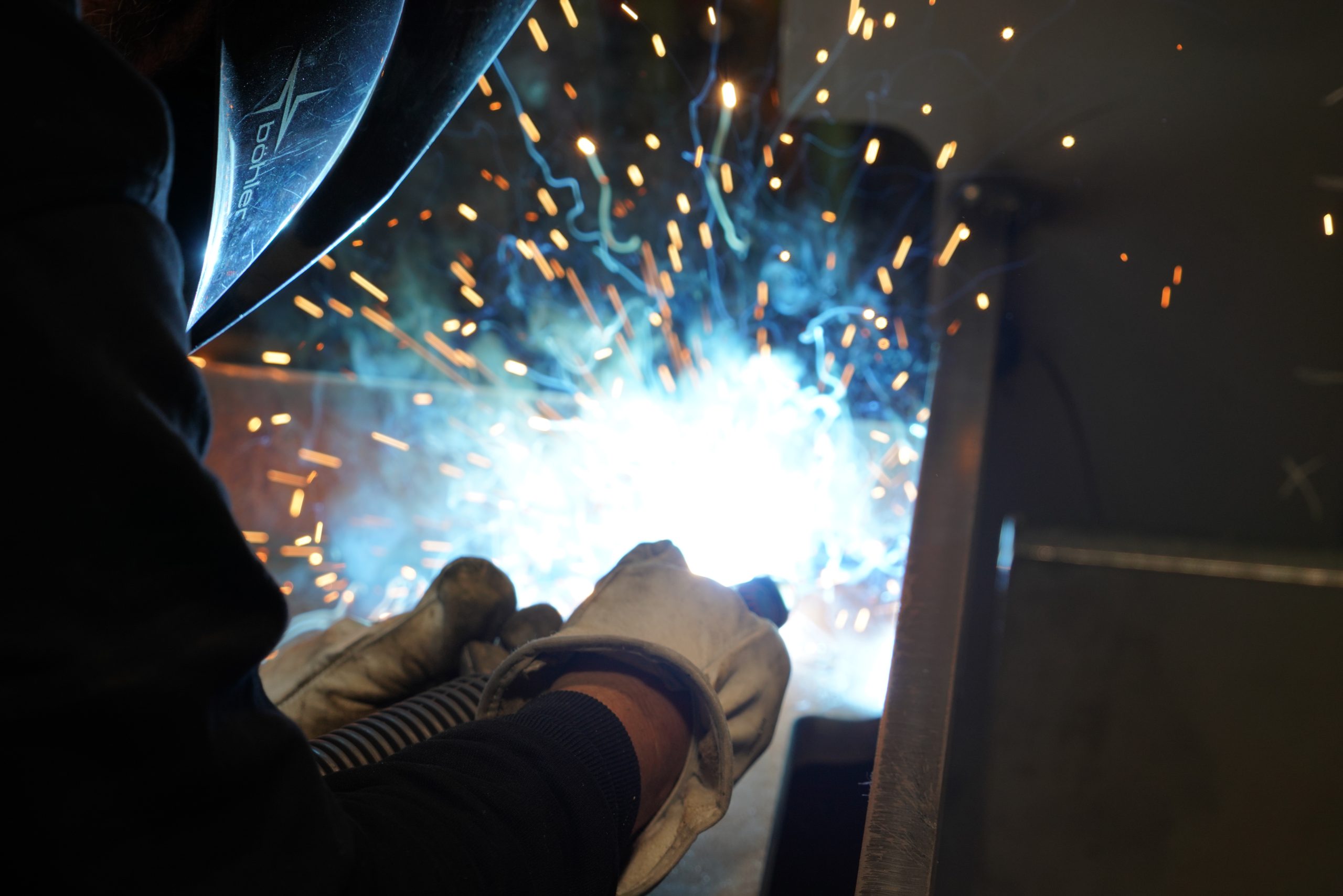
Welding in ordinary steel - strength, durability and precision
When robust and reliable solutions are required, mild steel is often the material of choice. At Ollerup Maskinfabrik, we have many years of experience in welding mild steel, and we know that it's about far more than just melting metal together. It requires an understanding of the steel's properties, control over heat input, and an uncompromising focus on quality in every single joint.
Steel welding experts
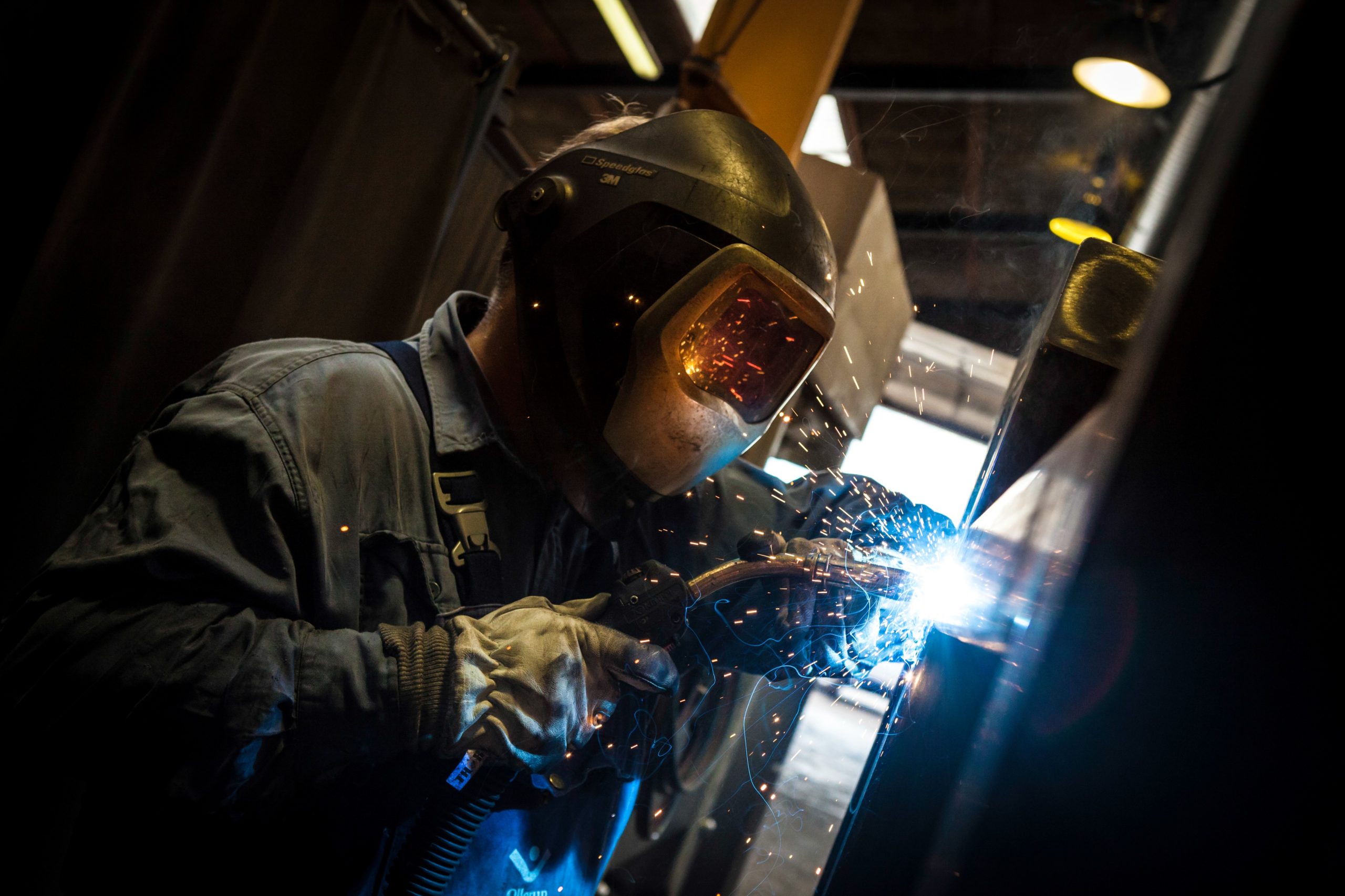
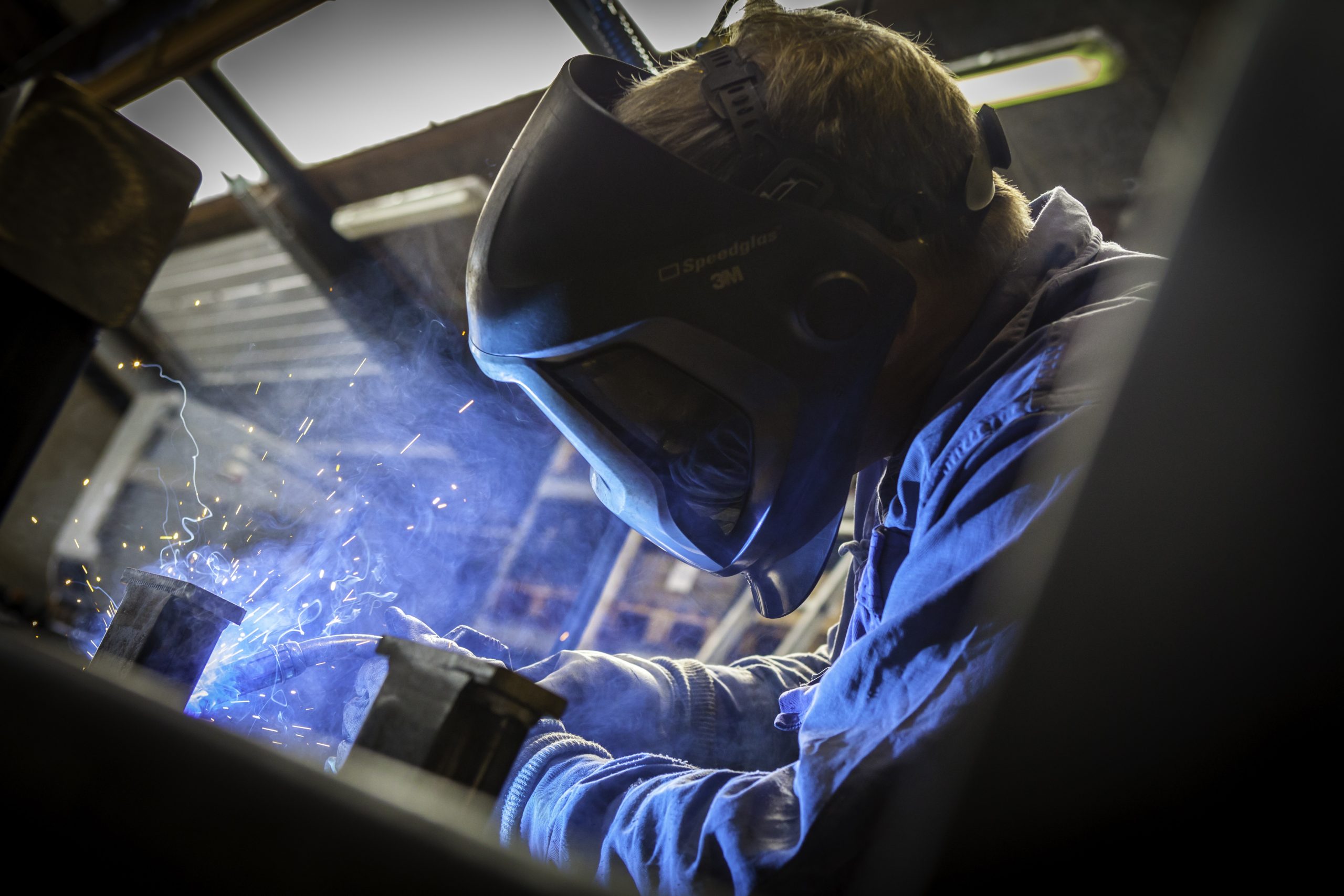
We carry out professional welding on a wide range of steel grades, including structural steel, high-strength steel, and standard mild steel. Depending on the task, we typically use MIG, MAG, TIG, or MMA welding, each with its own advantages. For series production or components requiring uniformity, we also offer automated welding, where we ensure stable results with high precision.
Suitable for industry and construction
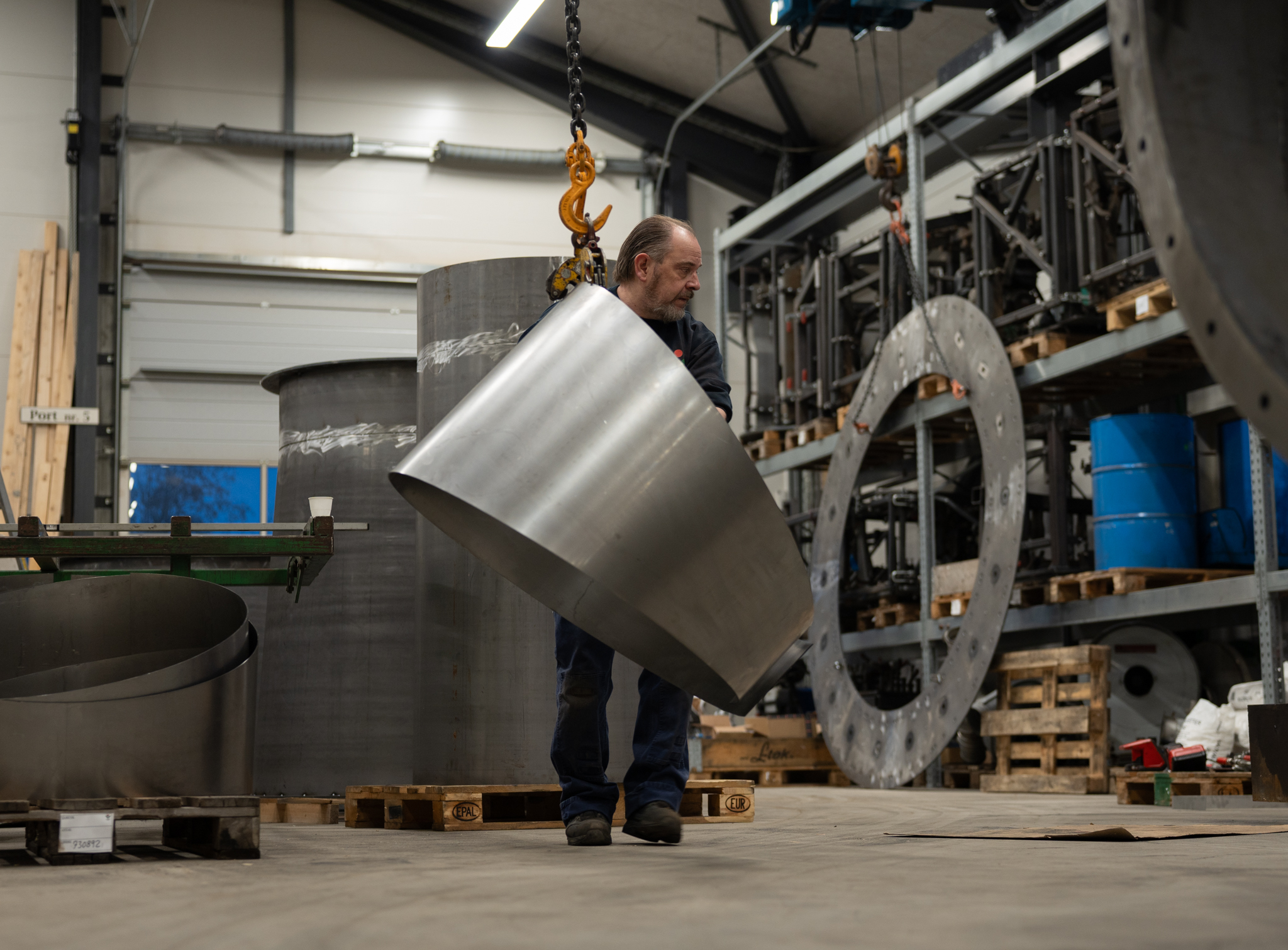
Welding in steel is widely used in areas such as mechanical engineering, construction, agriculture, transport, and energy. Steel is strong, flexible, and cost-effective, and with the right welding method, we can create joints that last for many years, even under demanding loads. We tailor the welding method and filler material according to the application, environment, and requirements for strength and durability.
Quality and precision in all details
All welds are carefully inspected, both visually and with measurements as required by the task. Our certified welders work with great accuracy, ensuring consistent quality on both thin and heavy workpieces. We possess a modern machine park, enabling us to handle everything from individual parts to larger constructions.
MAG welding – our most used method for steel
MIG/MAG welding is our most commonly used method for mild steel.
In the process, a wire is added, which is melted into the material to form a strong and even joint. The difference between the two methods lies in the gas:
- MIG (Metal Inert Gas) primarily used for materials such as aluminium and stainless steel.
- MAG (Metal Active Gas) typically used for black steel and uses an active gas, which affects the chemical process and improves penetration and welding speed.
MAG welding provides an effective and economical process with high productivity, ideal for both manual and robot-controlled production.
Steel structures to EN 1090 EXC 3
We supply CE-marked steel structures to EN 1090-1 and -2 up to and including execution class EXC 3 for both industry and construction. Welding is carried out to approved welding procedure specifications (WPS) and planned by our certified welding coordinator (IWT), and we document the process with weld logs, material certificates and NDT reports from an accredited third party.
TIG and MMA welding
We use TIG welding where high precision and a neat seam are required, for example on tubes and visible joints. MMA (stick) welding is robust and suited to heavy parts and to welding during on-site assembly.
Robotic welding of steel in series
For series and long weld seams we weld steel in our robotic welding cell with two welding stations. The robot handles parts up to Ø2200 mm and 4000 mm in length, with up to 2000 kg between centres – and delivers the same quality from the first part to the last.
Laser welding
We also offer Laser welding AF items in black steel.
Using a concentrated laser beam with up to 3 kW power, we can perform fast and precise welds, particularly on thinner sheet materials.
The advantages of laser welding include:
- High welding speed.
- Significantly reduced heat influence and low heat input.
- Narrow, precisely placed weld seams.
- Problem-free welding of thinner materials such as foils and relatively thin sheets.
- Welding foil/thin sheets to thicker materials, and material thicknesses can be carried out problem-free.
Certificate welding
At Ollerup Maskinfabrik, we are certified for welding within TIG, MAG and MMA.Our welding certification covers the following areas:
- TIG 141, 142
- MAG 135, 136, 138
- Electrode 111
This means we can deliver documented quality in accordance with current standards and customer specifications.
From plate to finished steel structure
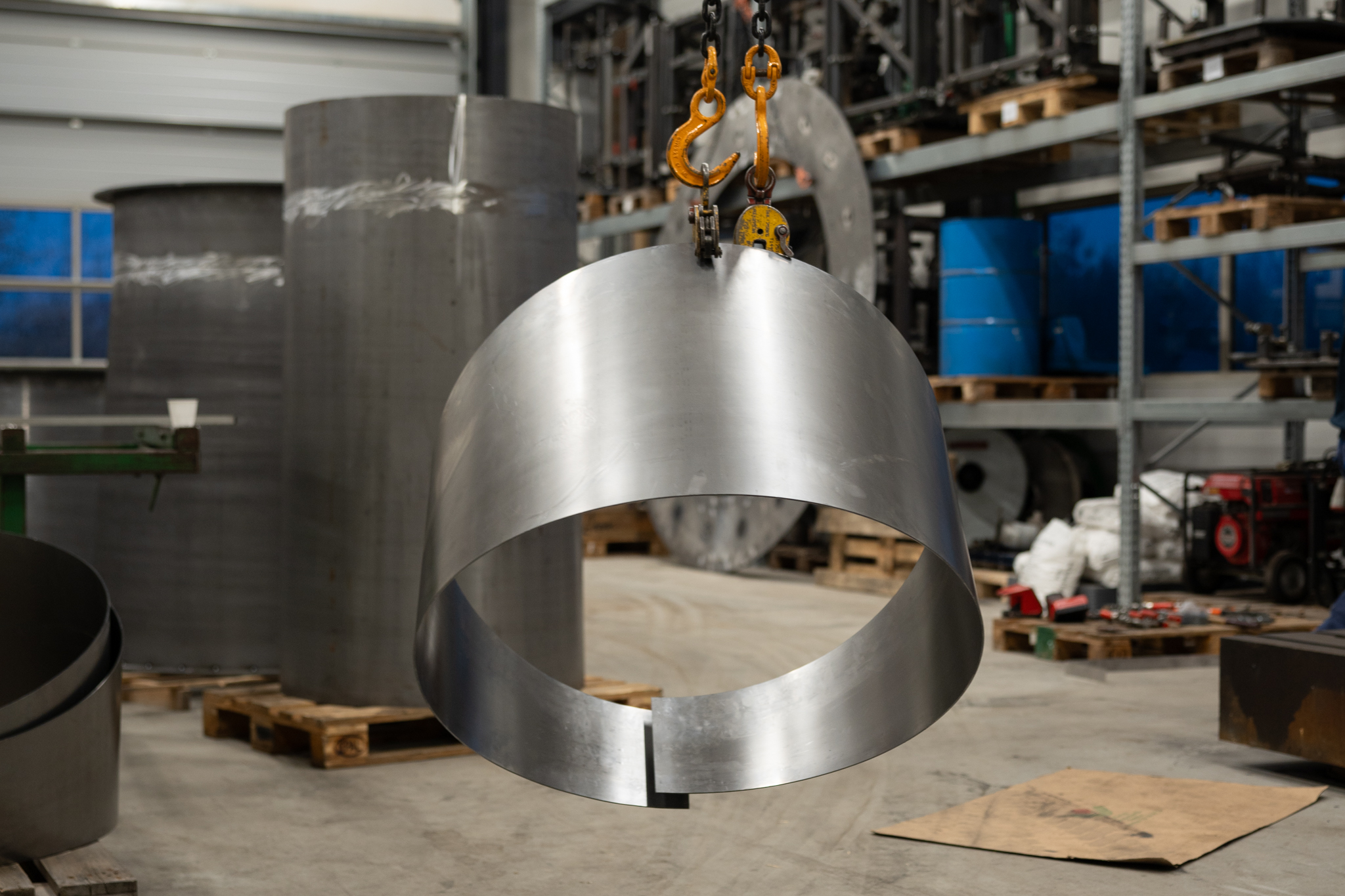
We can deliver the whole process from plate to finished welded steel structure in one place:
- Laser cutting of steel up to 25 mm
- Plasma cutting of steel up to 60 mm
- Flame cutting up to 180 mm
- Cutting of steel plates up to 12 mm and 4000 mm
- Press brake bending with up to 500 tonnes and 4500 mm bending length
- Rolling of plates up to 20 mm
Questions about welding steel
Can you supply CE-marked steel structures?
Yes. We supply steel structures to EN 1090-1 and -2 up to and including execution class EXC 3, with the documentation required for CE marking.
Which welding methods do you use for steel?
MAG is our most used method for steel. We also use TIG for precise and visible joints, MMA for heavy parts and on-site assembly, laser welding at up to 3 kW for thin sheet and robotic welding for series.
Which welding certificates do your welders hold?
Our welders are certified in MAG (135, 136, 138), TIG (141, 142) and stick welding (111), and our welding production is certified to EN ISO 3834-2.
How thick steel can you process before welding?
We laser cut steel up to 25 mm, plasma cut up to 60 mm and flame cut up to 180 mm. We shear plates up to 12 mm, press brake bend with up to 500 tonnes and roll plates up to 20 mm.
Can you weld large and heavy steel parts?
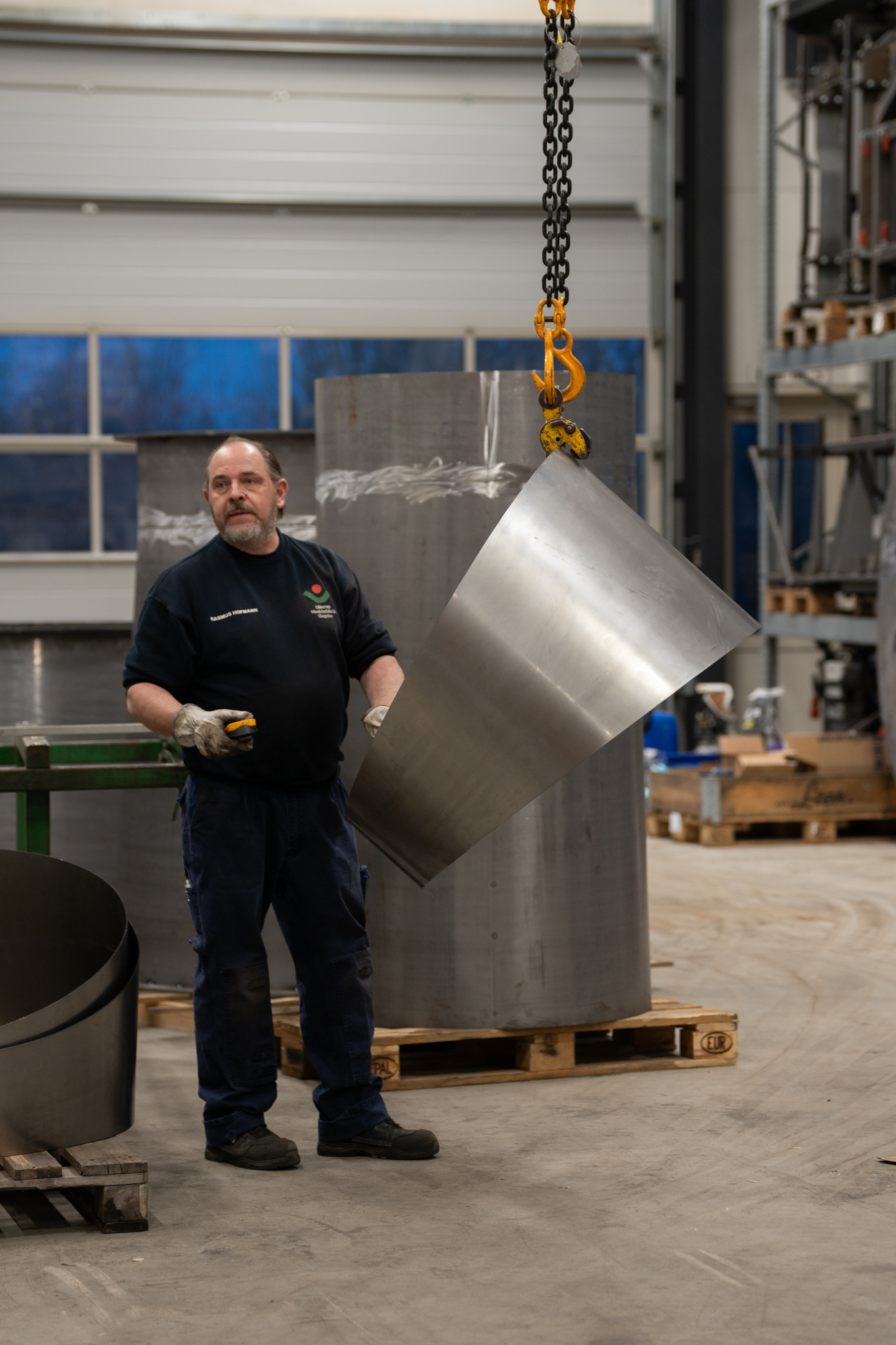
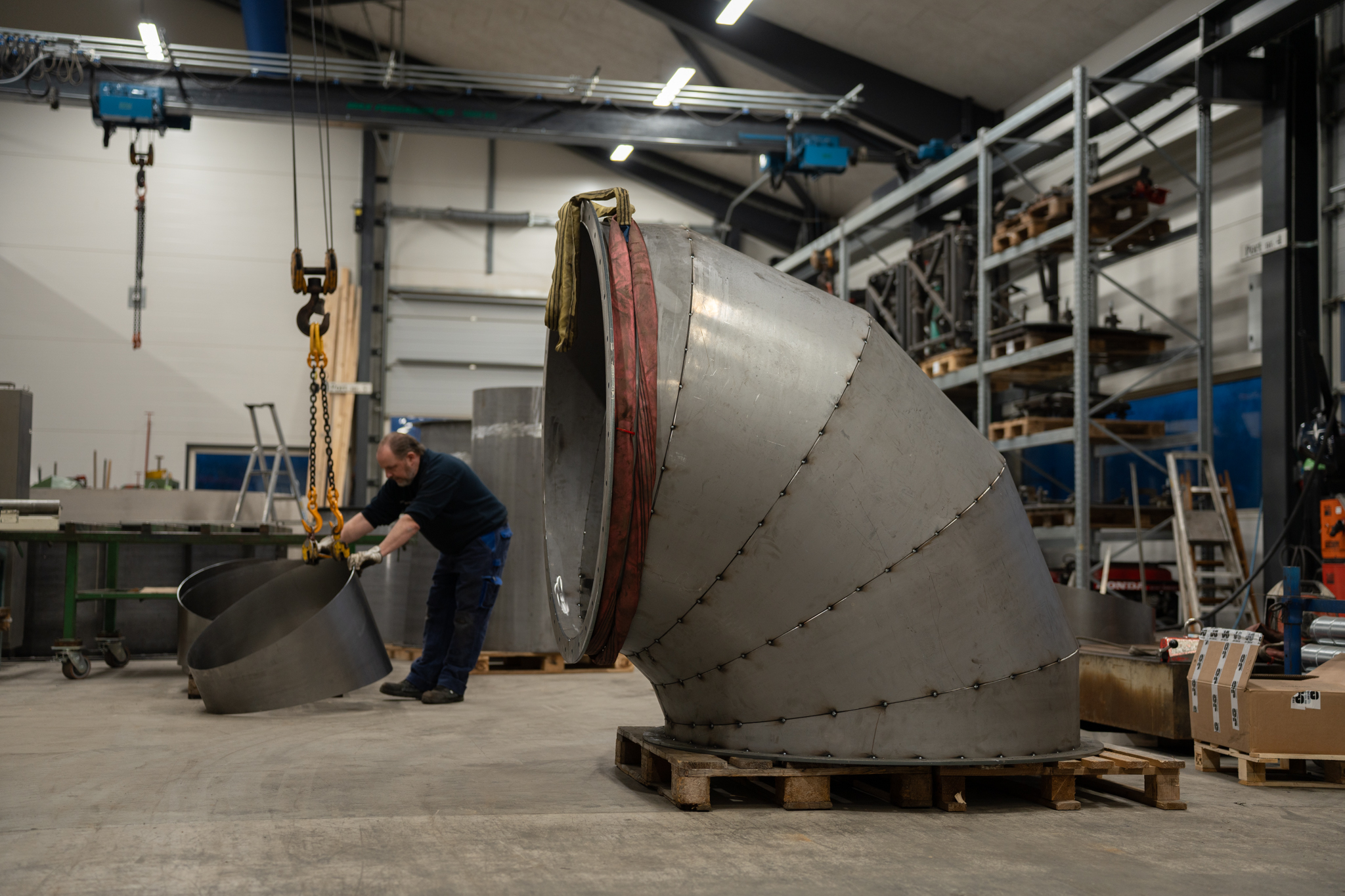
Yes. In our robotic welding cell we weld parts up to Ø2200 mm and 4000 mm in length, with up to 2000 kg between centres. Larger parts are welded manually, and we have cranes and a forklift with up to 12 tonnes lifting capacity.
Welding that lasts and looks good
At Ollerup Maskinfabrik, we don't compromise.
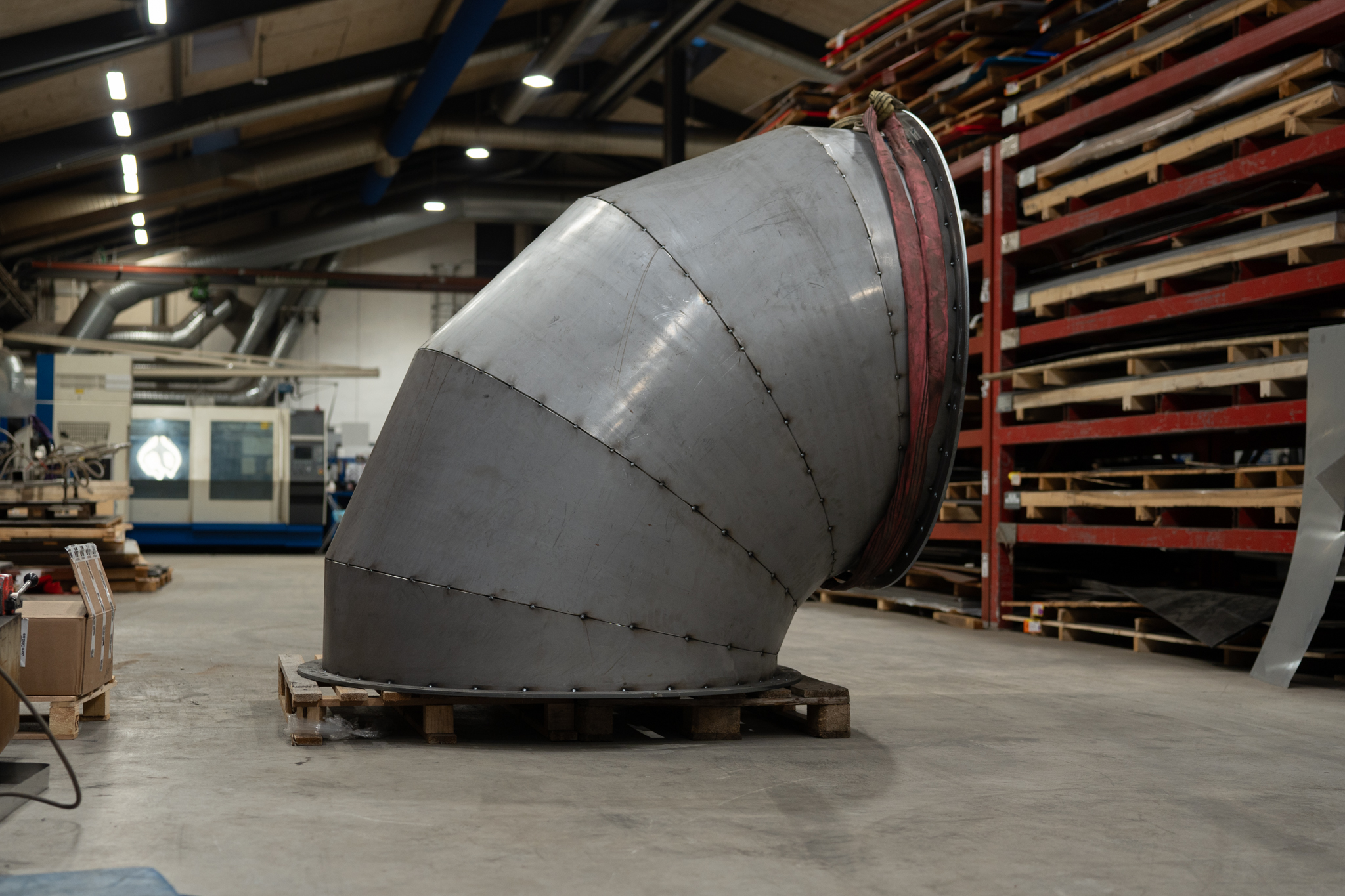
We supply steel welds that combine strength, functionality, and a beautiful finish, whether for a steel structure, a machine frame, or a special component.
We ensure that the finished result meets your requirements – both technically and aesthetically.
Read also: Stainless steel welding · Aluminium welding · All welding services
 Dansk
 English (UK)
 Deutsch